For caterers
YAKITORI
FOR YOUR
CLIENTS.
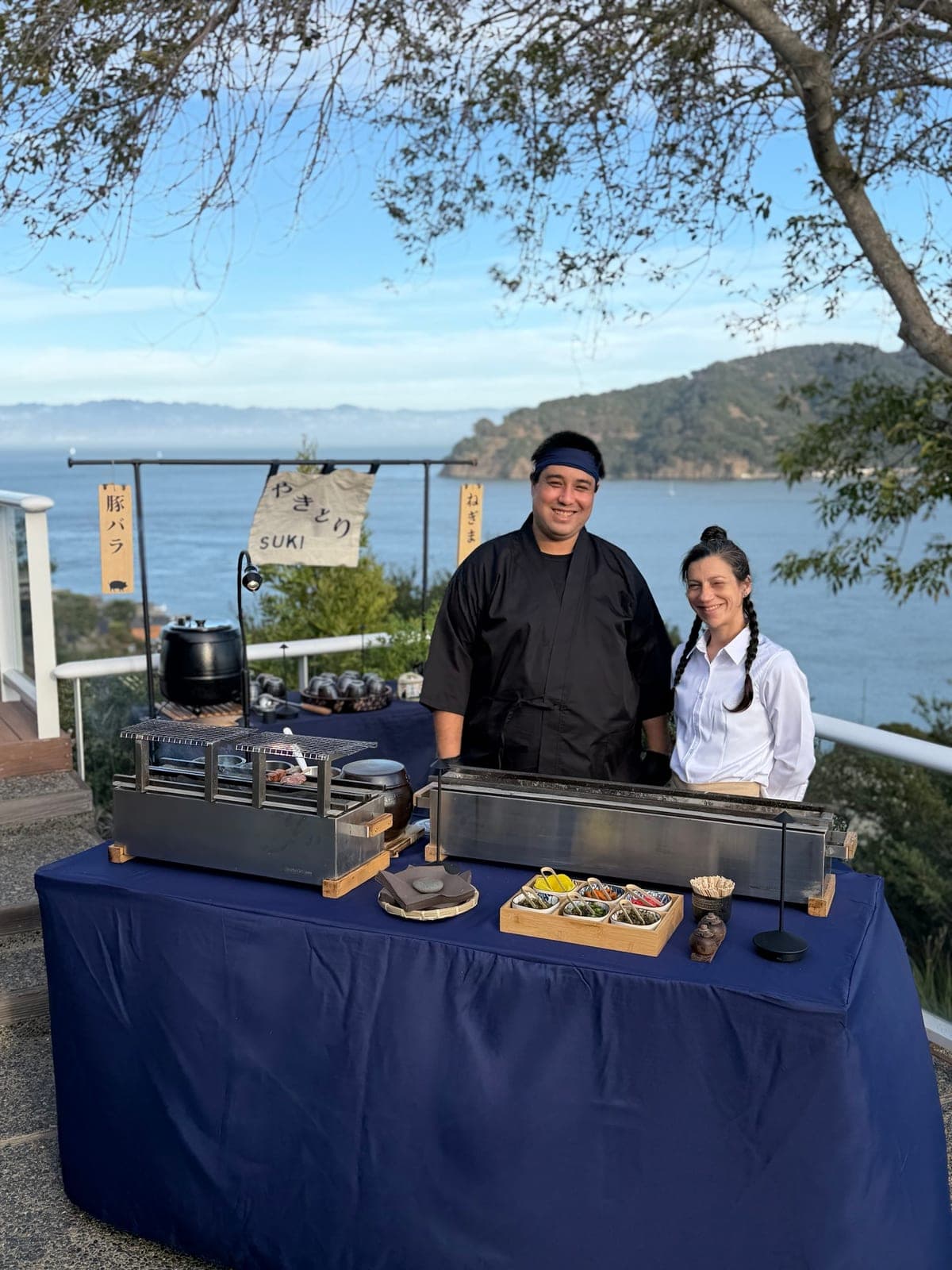
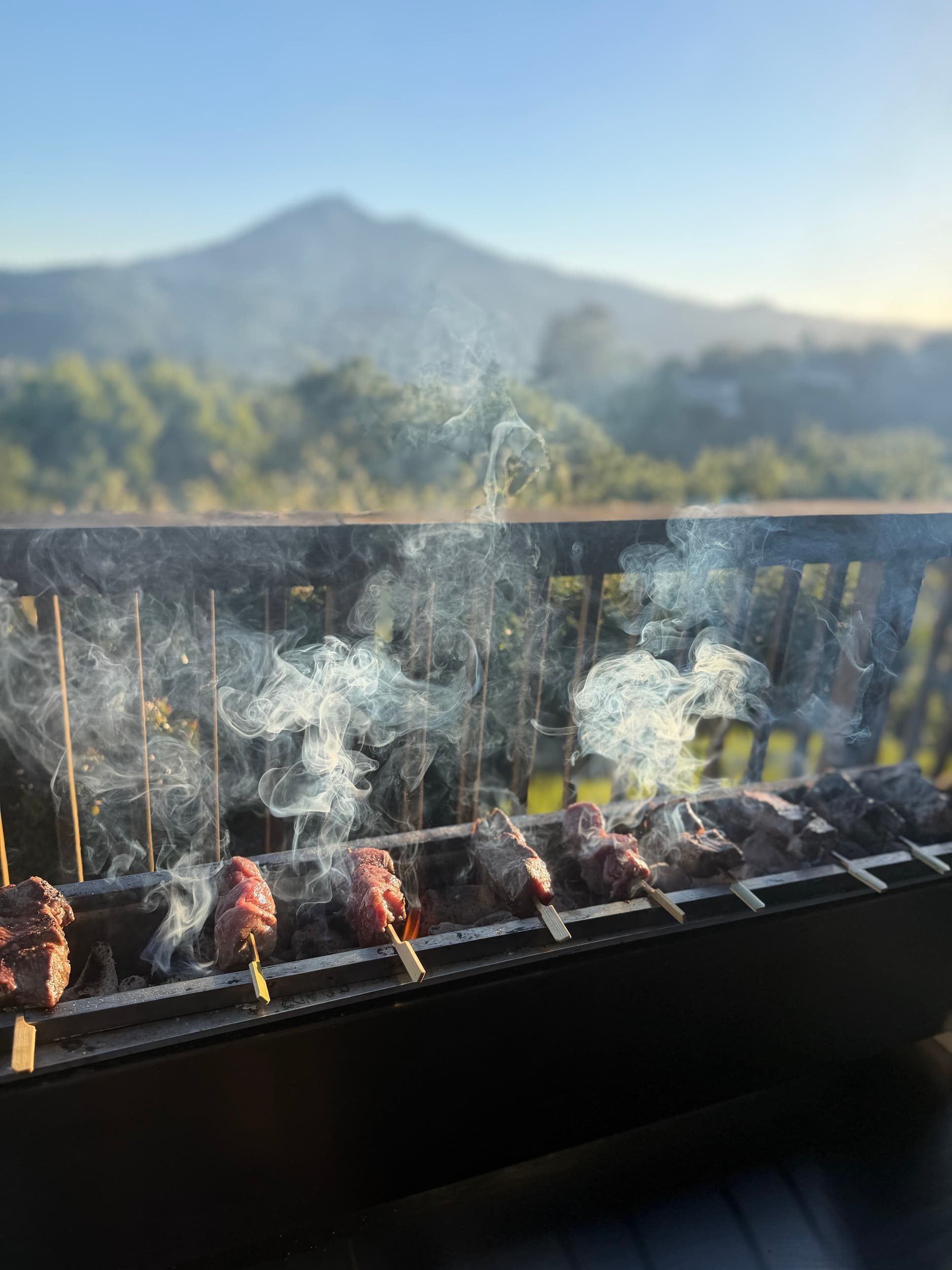
Add a live binchotan yakitori station to an event you're catering. Nick brings the grill and works the station, and your team runs everything else.
How it works
WHO BRINGS WHAT.
We bring
- Nick on the grill
- Stainless konro grills and binchotan
- Our tare, made from scratch
- Setup and breakdown of the station
You bring
- Your client's booking and billing
- Servers to pass or plate the skewers
- Plates, napkins and the rest of the menu
- A flat outdoor spot about 8 by 6 feet
Options
TWO WAYS
TO BOOK NICK.
Trade rates are on request. Send the event details and we'll reply with a rate.
Branding
YOUR NAME
OR OURS.
SUKI STATION
Our noren and wooden menu tags, and Nick introduced as Suki.
UNDER YOUR NAME
Nick works in your uniform, with no Suki signage. Your guests see your company.
Menu
WHAT WE GRILL.
For the yakitori station. You pick the lineup.
CLASSIC
The core of the menu.
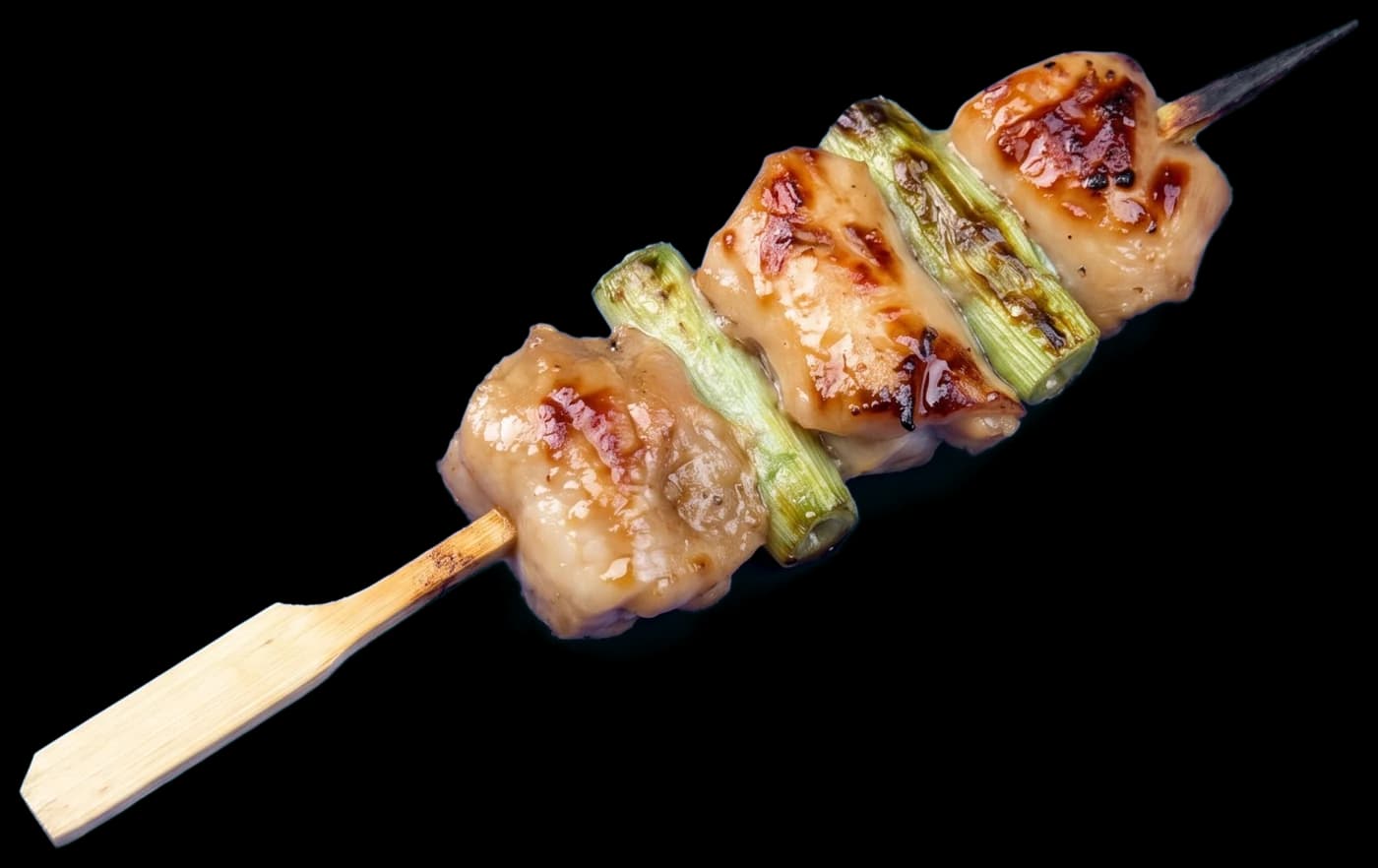
Negima
Chicken thigh, Tokyo green onion, tare
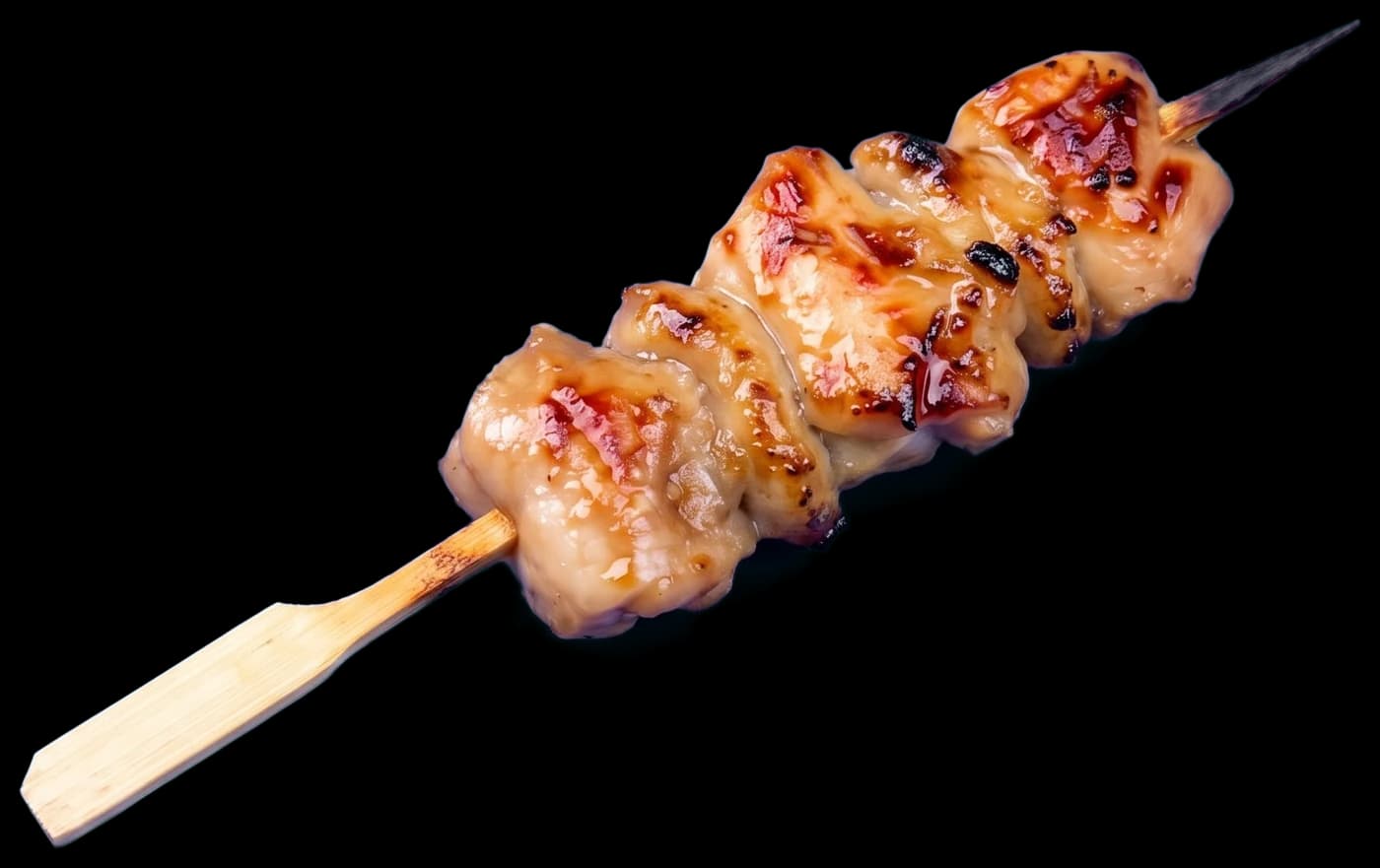
Momo
Chicken thigh, tare, yuzu kosho aioli
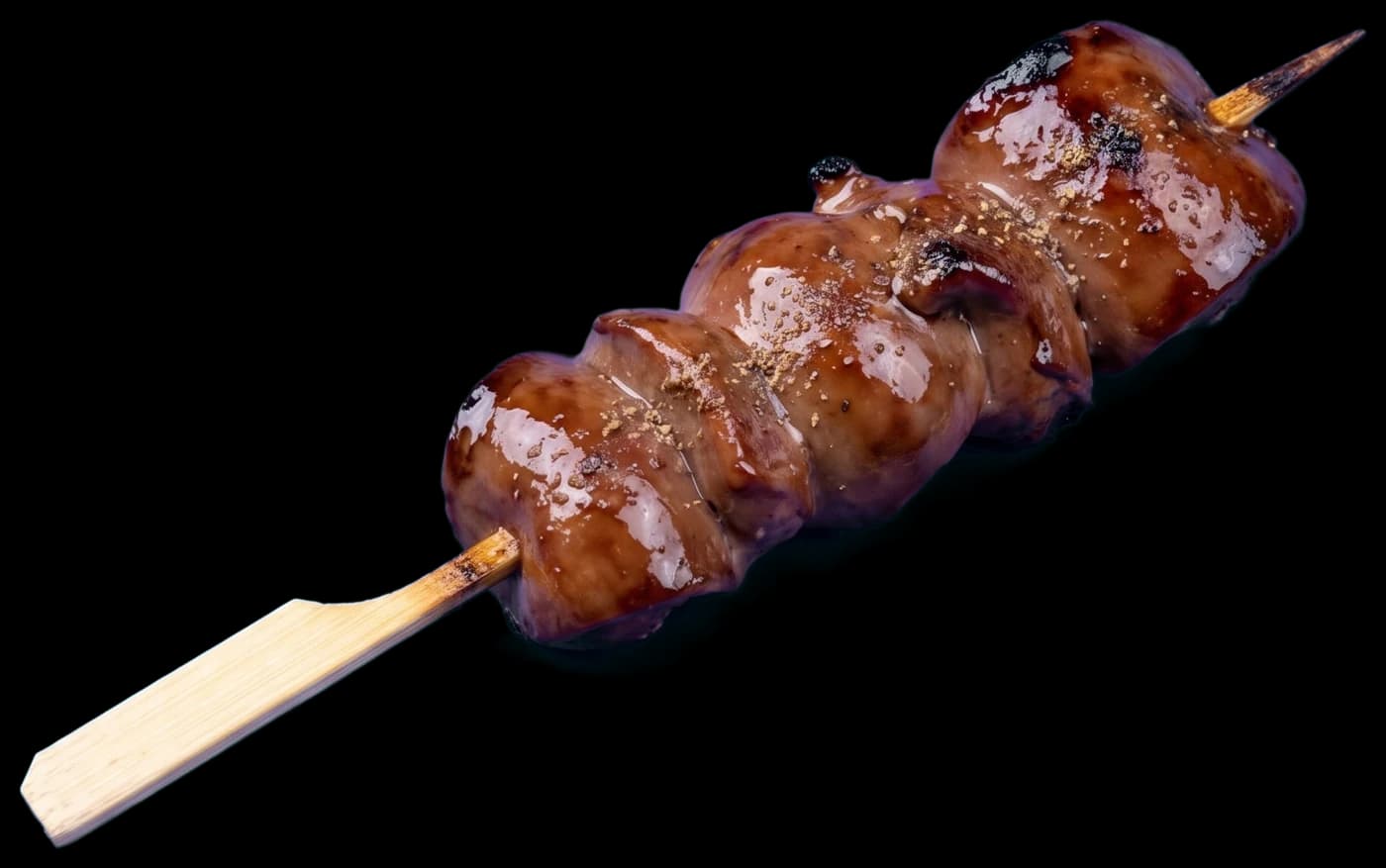
Reba
Chicken liver, tare, sansho
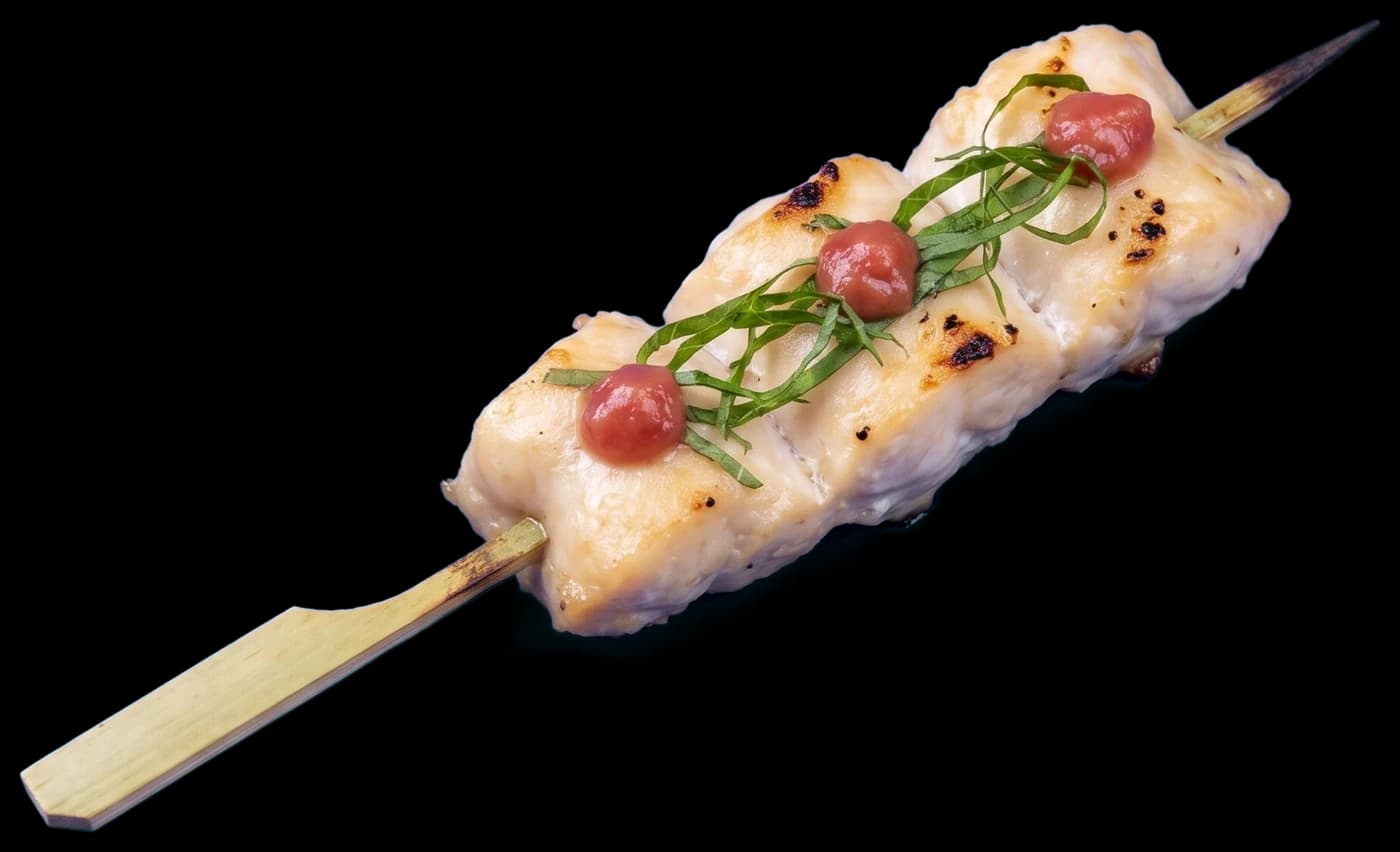
Sasami
Chicken tenderloin, ume, shiso
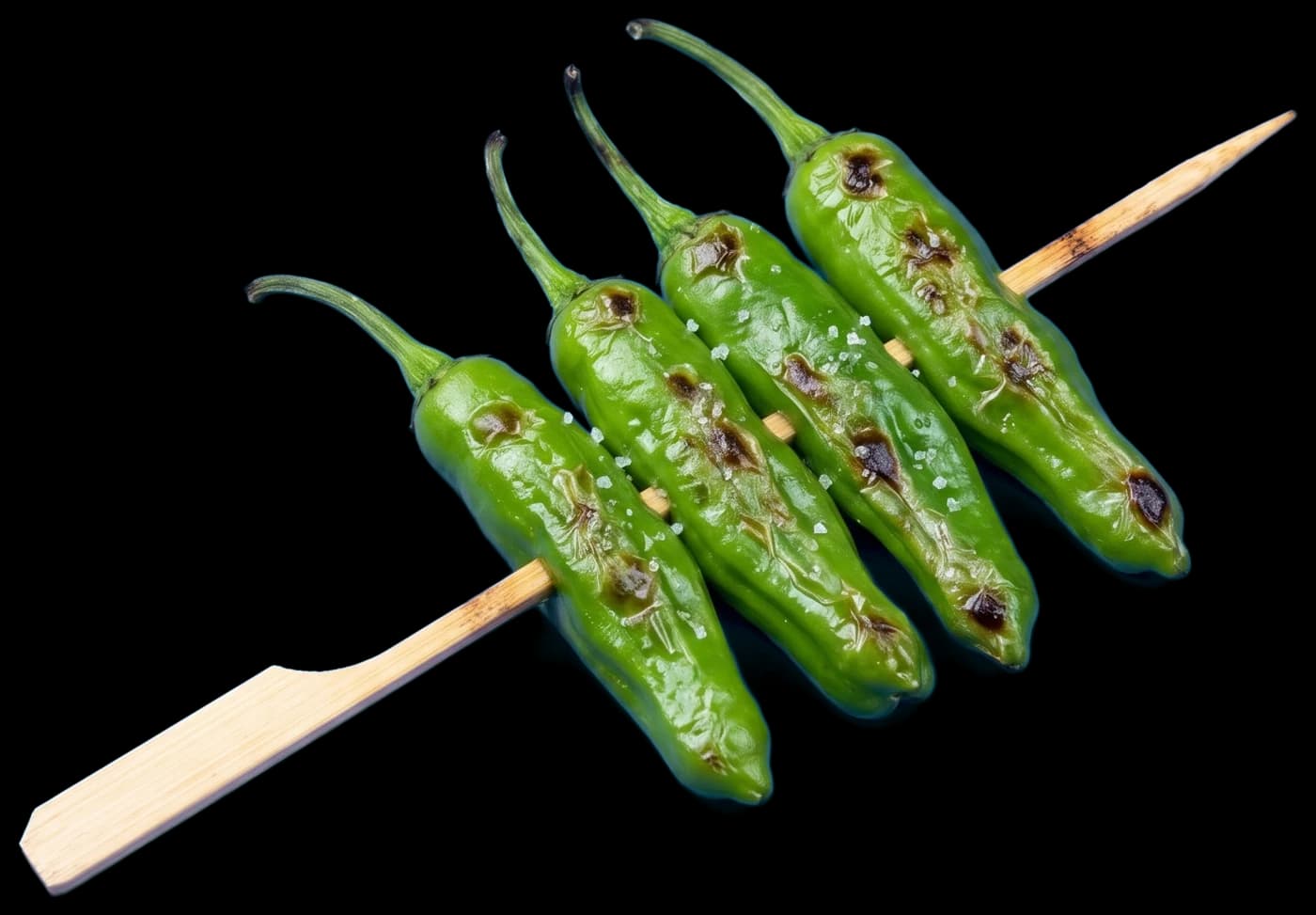
Shishito
Salt
vegan
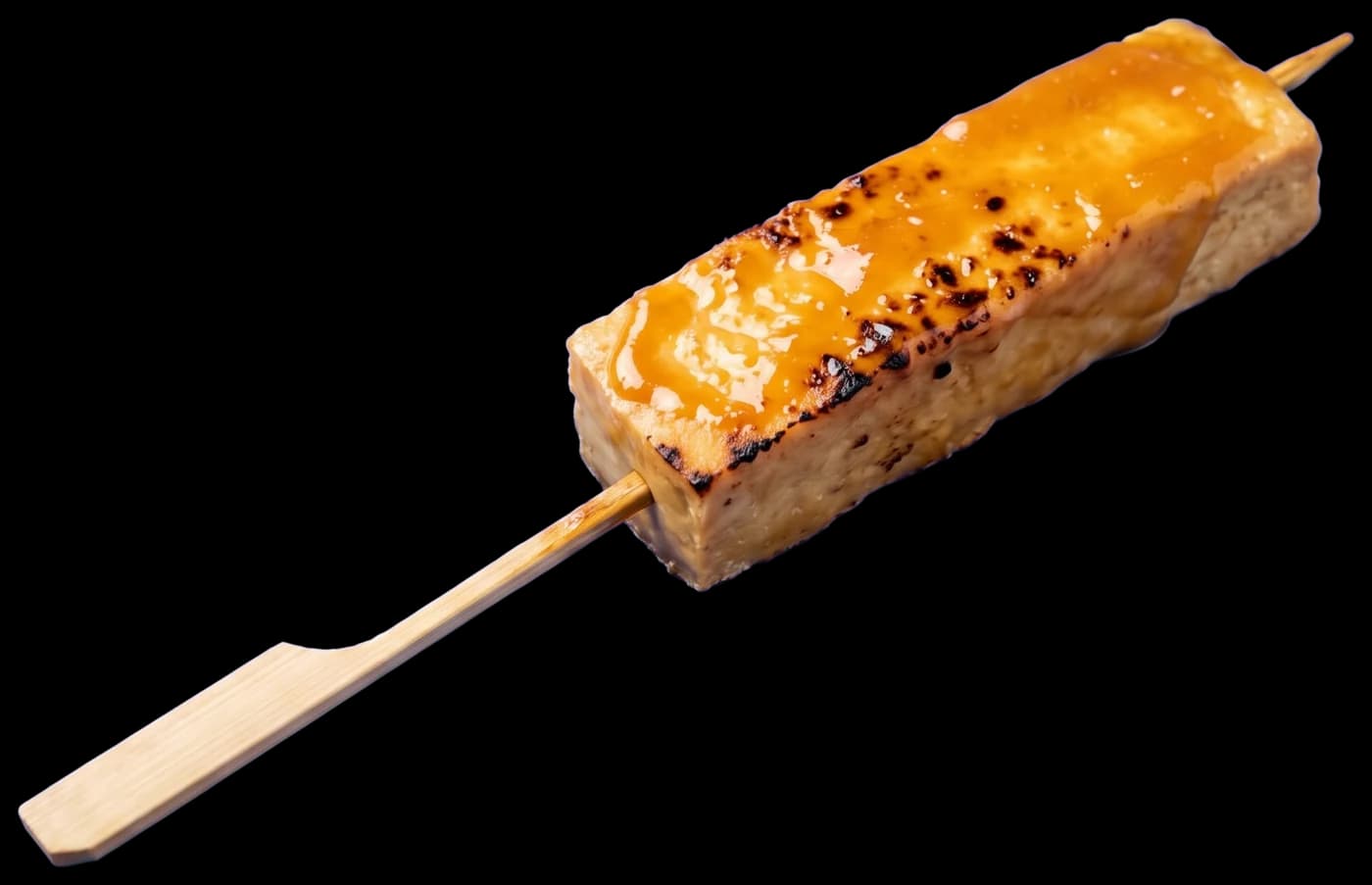
Tofu dengaku
Meyer lemon miso glaze
vegan
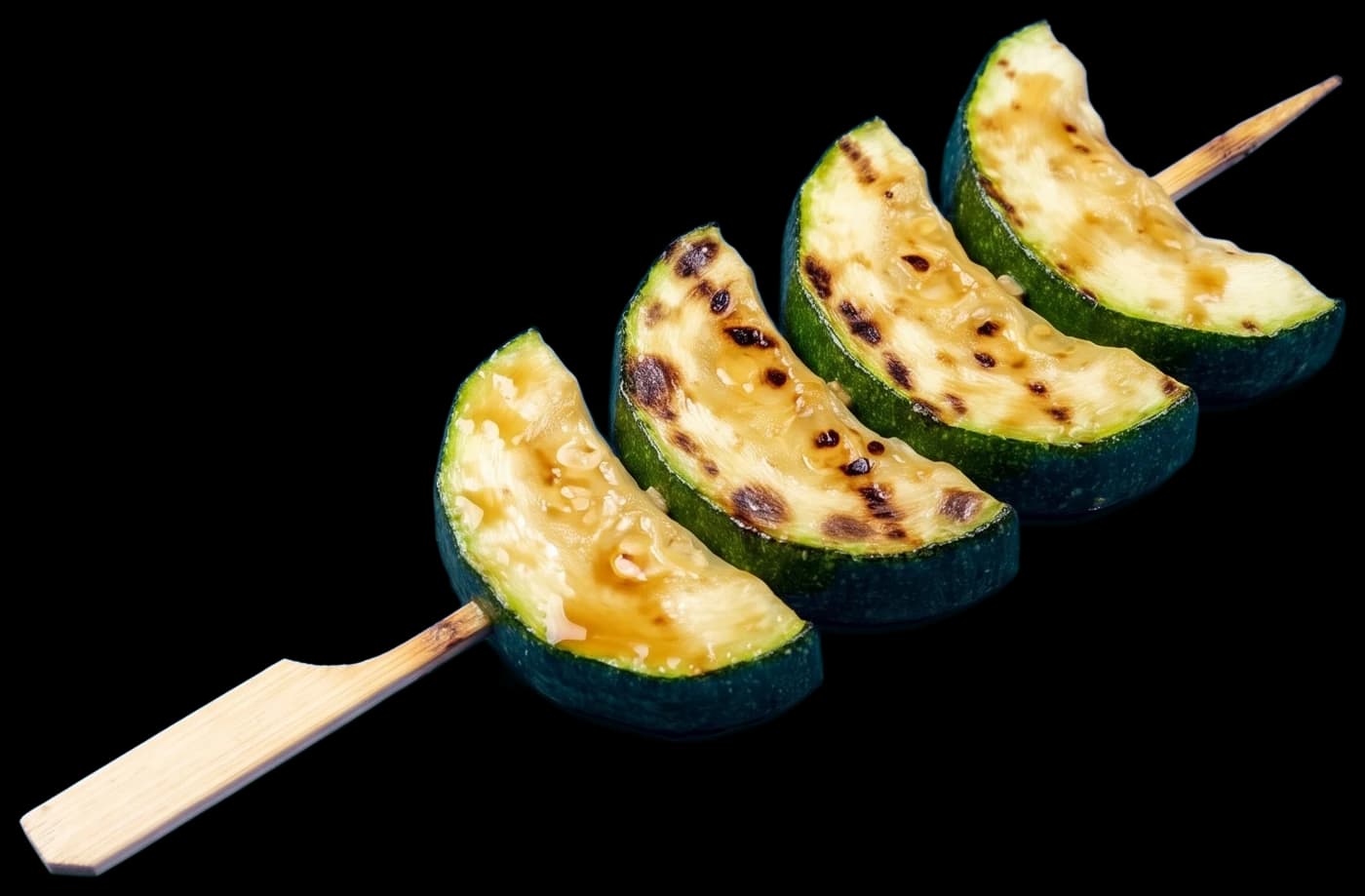
Zucchini
Tare
vegan
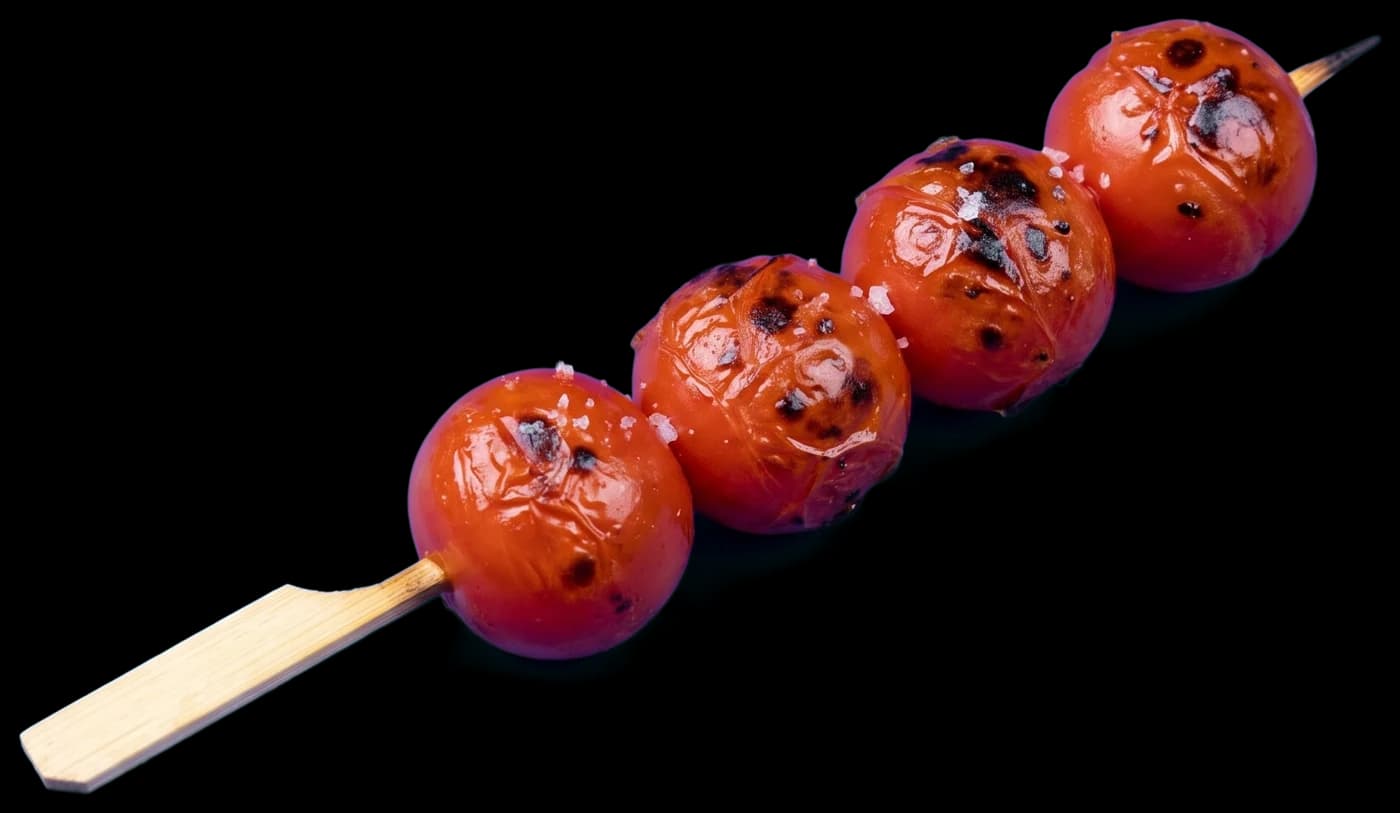
Cherry tomato
Salt
vegan
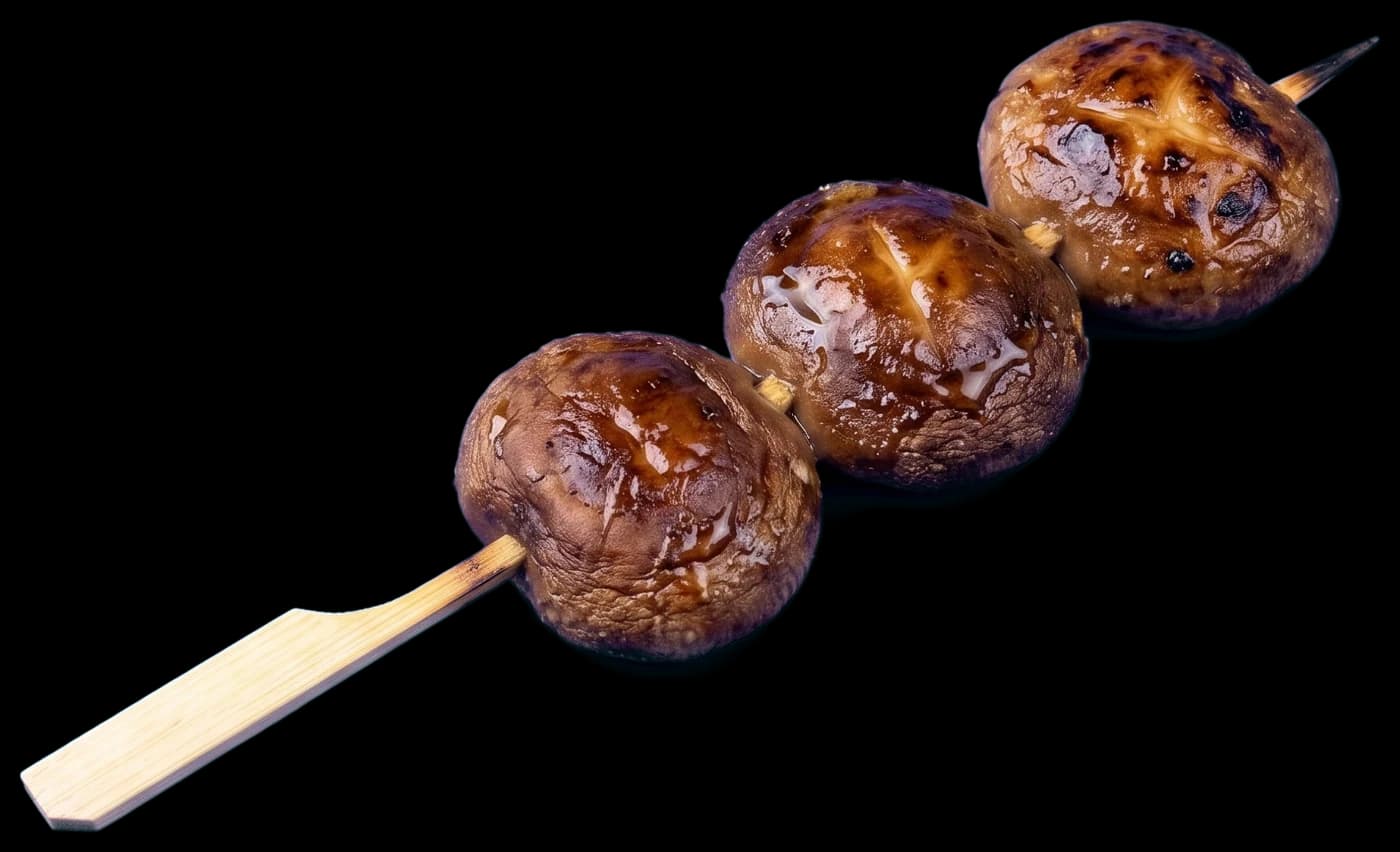
Shiitake
Soy butter
vegetarian
PREMIUM
At a higher rate per skewer.
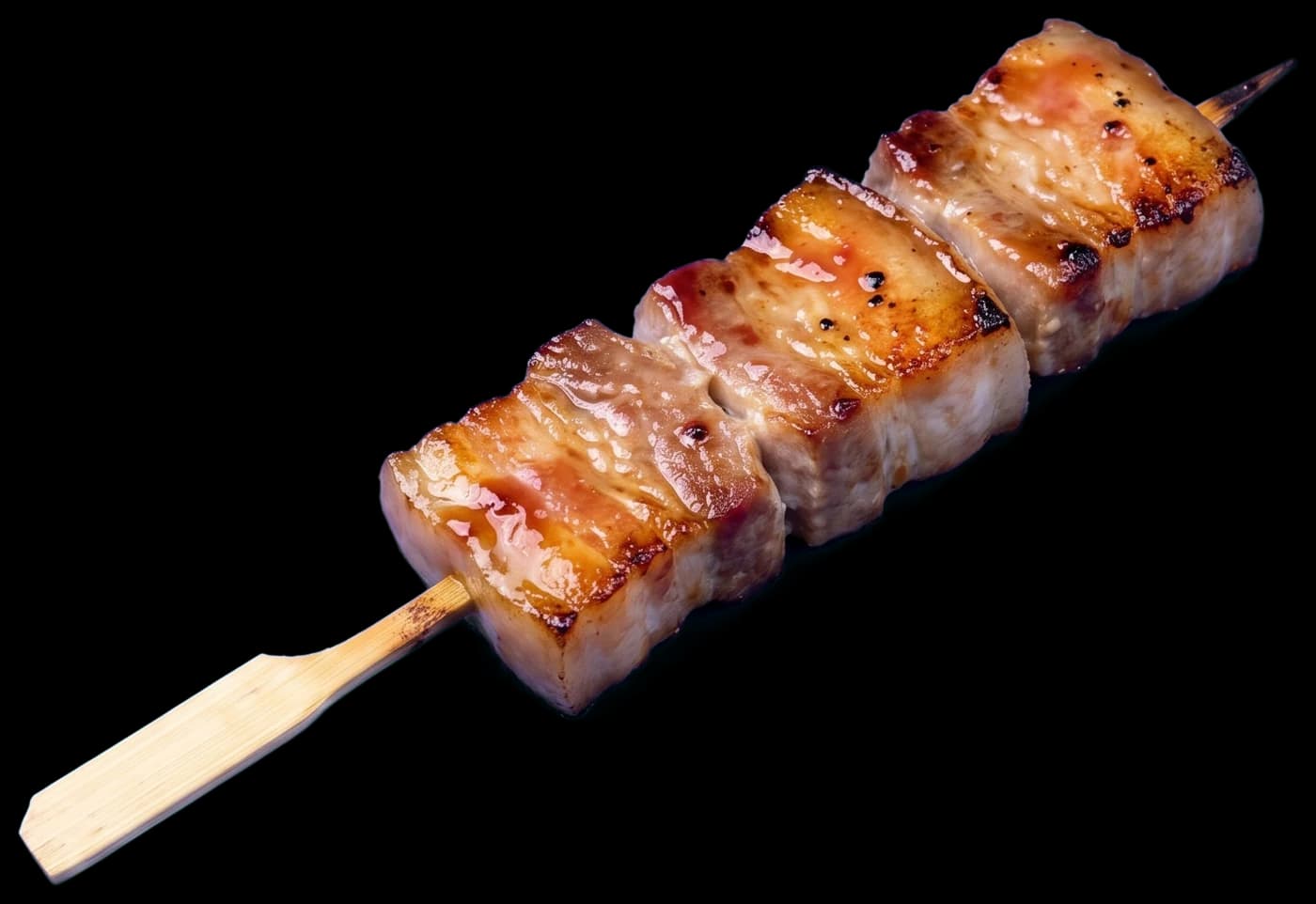
Butabara
Pork belly, umeboshi miso glaze
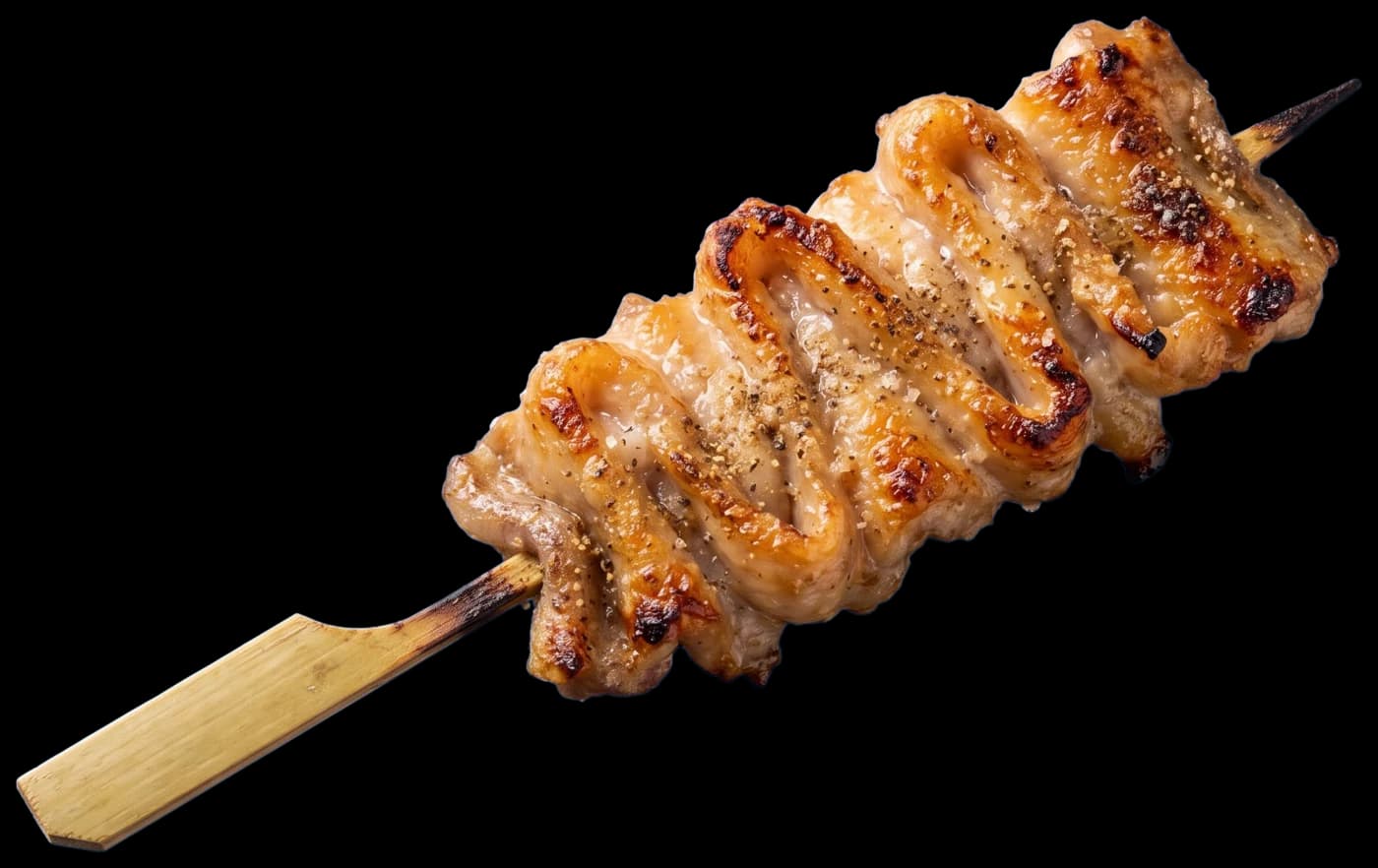
Kawa
Chicken skin, salt, sansho
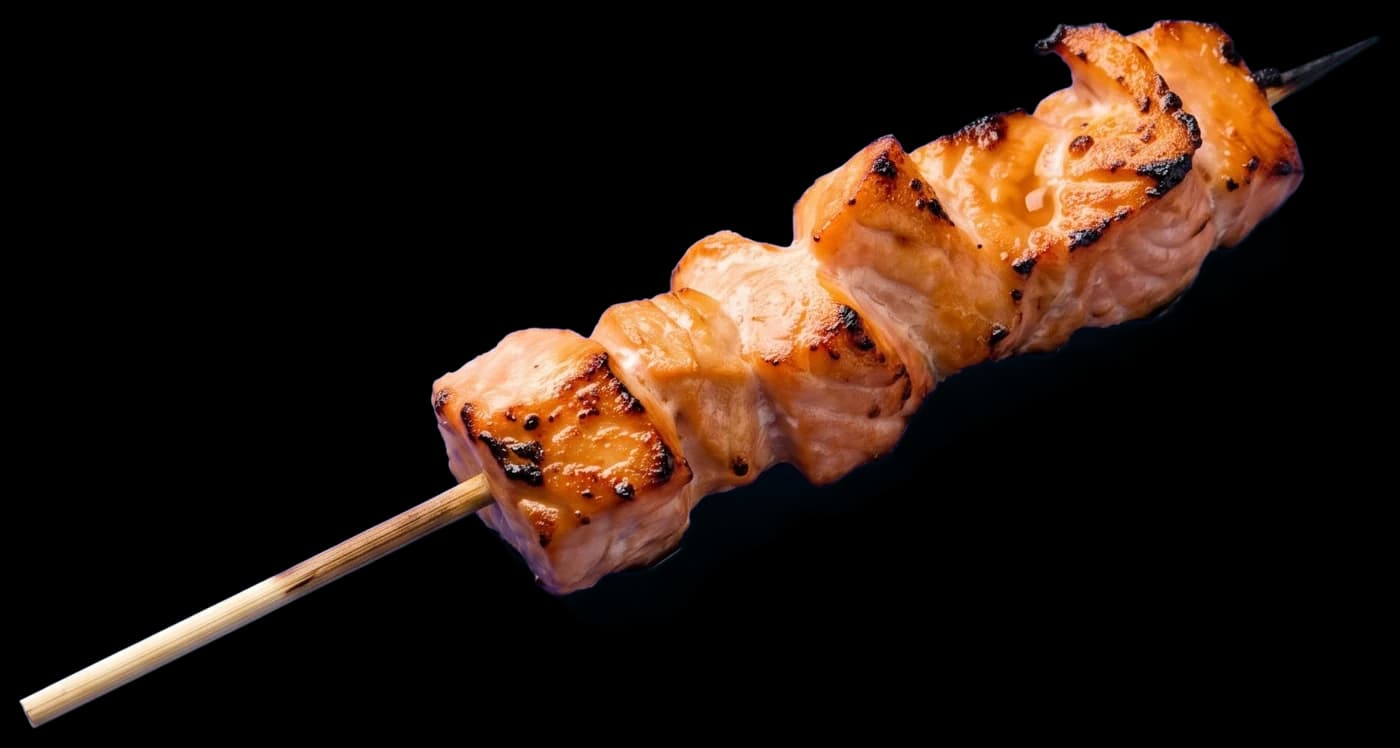
Wild salmon
Salt
when available
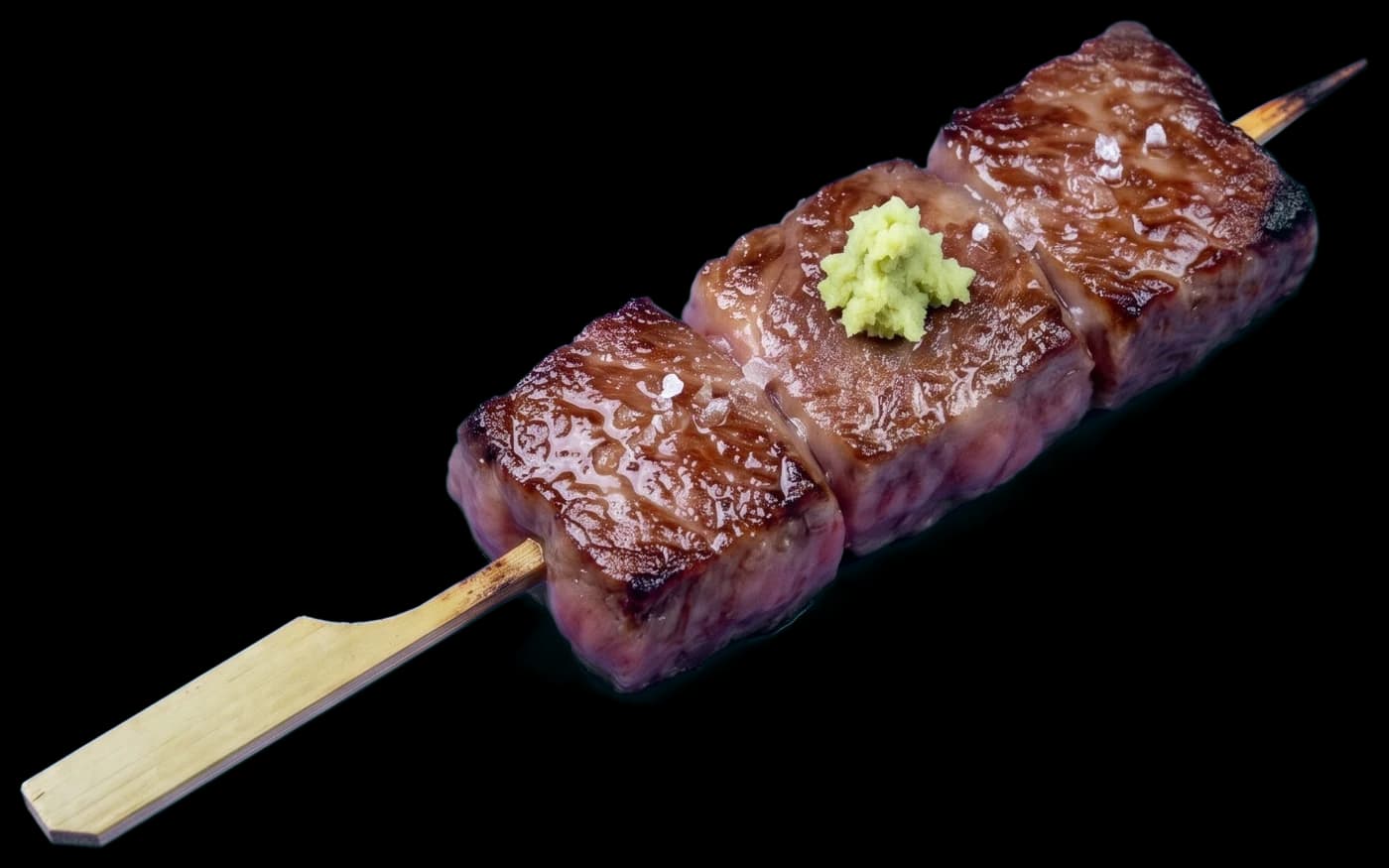
A5 wagyu
Salt, fresh wasabi
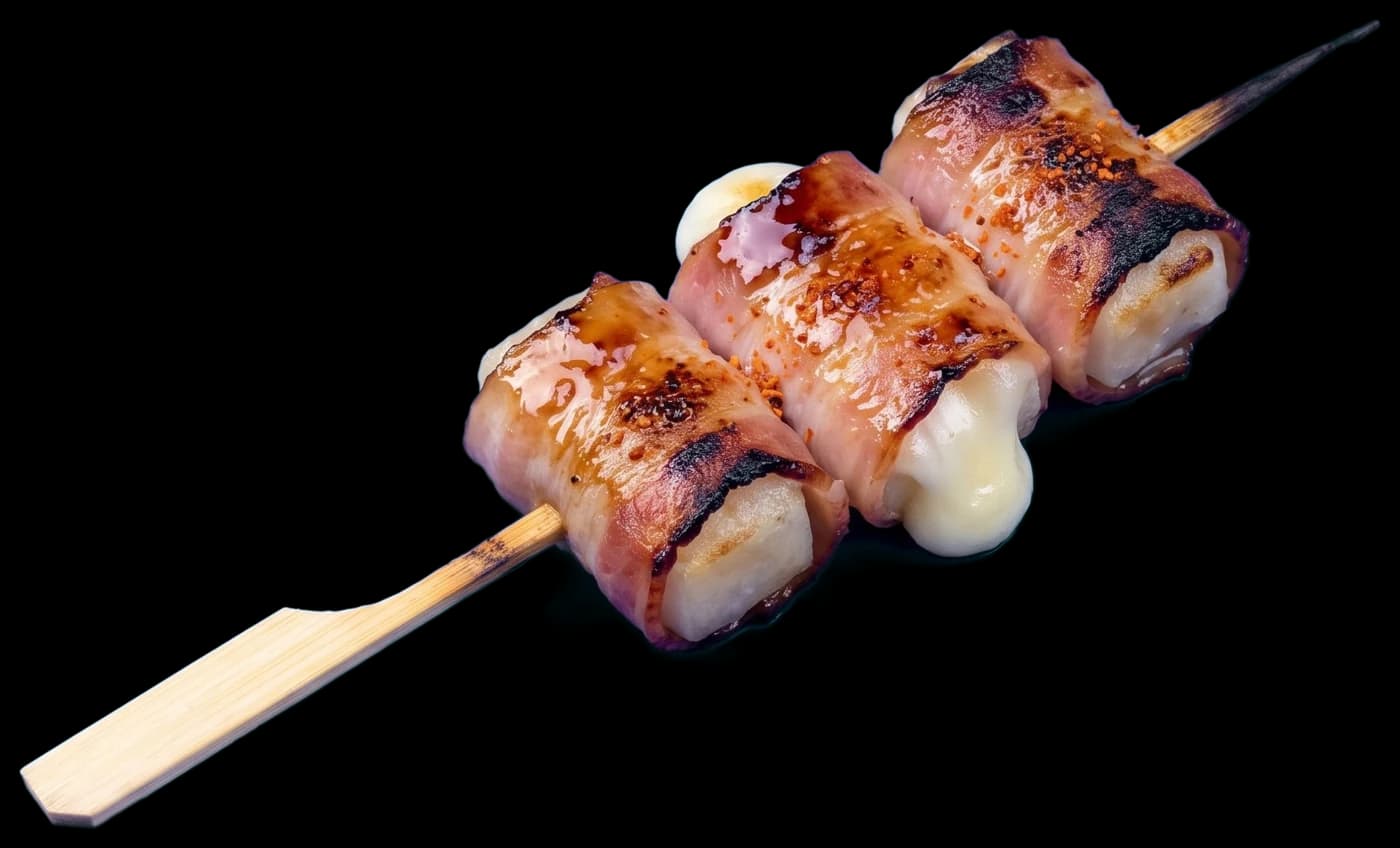
Bacon-wrapped mochi
Kiri mochi, bacon, tare, shichimi
What do the Japanese words mean?
- Binchotan
- Japanese white charcoal made from oak. It burns hot and clean, with almost no smoke.
- Butabara
- Pork belly. Buta is pork, bara is belly.
- Dengaku
- Grilled and brushed with a sweet miso glaze.
- Kawa
- Chicken skin, grilled until crisp.
- Kiri mochi
- Dried blocks of mochi. On the grill they puff up, crisp outside and soft inside.
- Miso
- Fermented soybean paste. Salty and savory.
- Mochi
- Chewy rice cake made from pounded sticky rice.
- Momo
- Chicken thigh. Momo means thigh.
- Negima
- Chicken thigh with green onion between the pieces.
- Reba
- Chicken liver. Rich and creamy when grilled.
- Sansho
- Japanese pepper. Citrusy, with a light tingle.
- Sasami
- Chicken tenderloin, the lean strip under the breast.
- Shichimi
- A seven-spice blend built on chili, with sansho, citrus peel and sesame.
- Shiitake
- A meaty, savory mushroom.
- Shishito
- A small, mild green pepper. About one in ten has some heat.
- Shiso
- A leafy herb in the mint family. Fresh and bright, somewhere between mint and basil.
- Tare
- Our sweet soy glaze, brushed on as the skewers grill.
- Ume
- A tart Japanese stone fruit, closer to an apricot than a plum.
- Umeboshi
- Salt-pickled ume. Tart, salty and fruity.
- Wagyu
- Japanese beef, known for its marbling. A5 is the top grade.
- Wasabi
- Japanese horseradish. Grated fresh from the root, it's milder and sweeter than the paste.
- Yakitori
- Japanese skewers grilled over charcoal. It means grilled chicken, but covers vegetables and more too.
- Yuzu
- A fragrant Japanese citrus, like a cross of lemon and mandarin.
- Yuzu kosho
- A paste of yuzu peel, green chili and salt. Bright, salty and a little hot.
The chef
NICK ON
THE GRILL.
Nick and Haley run Suki together. Nick apprenticed at the Ritz-Carlton, Tokyo, and runs the binchotan grill at every event we cater.
Request a rate
TELL US ABOUT
THE EVENT.
- Send the eventDate, venue, guest count and which option.
- Get a rateWe reply within one business day with a rate and Nick's availability.
- Hold the dateWe confirm the details and send an invoice to hold it.
Prefer email? Send your date, venue and guest count to hello@marinprovisions.com.
Before you book
COMMON QUESTIONS.
What does it cost?
Trade rates depend on the option, the guest count and where the event is. Send the event details and we'll reply within one business day with a rate.
Who serves the skewers?
Your team. Nick grills at the station and hands the skewers off, and your servers pass or plate them.
How many guests can one grill serve?
One grill and chef for up to 30 guests. Over 30, we bring a second grill and chef.
Can the station carry our name?
Yes. Nick can work in your uniform with no Suki signage, or the station can be a Suki station with our noren and menu tags. Tell us which when you send the event details.
What space does the station need?
A flat outdoor spot about 8 by 6 feet, at least 10 feet from walls, fences, anything overhead, and anything else combustible, plus access from the car and a sink we can use.
How long is Nick on site?
For a typical evening, we arrive about two hours before service to set up and light the binchotan, then grill in rounds for about two and a half hours. Breakdown takes under an hour after the last skewer.
Where do you travel?
We're based in San Rafael and work across Marin County. San Francisco, Sonoma, and the East Bay are quoted per event.
Are you insured?
Yes. We carry general liability insurance.
What about dietary needs?
Shishito, tofu dengaku, zucchini and cherry tomato skewers are vegan, shiitake is vegetarian, and every dish is on our allergen sheet. We cook in a kitchen that handles all major allergens.
What if there's a fire ban on the day?
If a red flag warning or fire ban is in effect, we check with you first, then grill ahead in our kitchen and bring the skewers hot.
How far ahead should we book?
Three to four weeks is ideal, and earlier for weekends and December. Short notice? Ask anyway. We don't work events on Halloween, Thanksgiving, Christmas Eve, Christmas Day, New Year's Eve, or New Year's Day.
Planning your own party? See our live-grill packages.